Thursday, September 1, 2016

Is Your Influencer Marketing Program Not Effective? Here's Why

influencer-marketing-not-effective


At some point or another, we're all guilty of falling into one fad or another. A fad is something that quickly blows up but is often short lived because people quickly realize that the quality simply isn't there.


Many brands are in danger of allowing their influencer marketing programs to quickly become a passing fad. Why? Instead of taking the time to build relationships with influencers in a meaningful way, they're just tapping them on the shoulder when they need something.


Let's take a step back for a second and look at what influencer marketing programs should be. TopRank Marketing CEO Lee Odden defines influencer marketing as:


The practice of developing relationships with connected internal and industry experts to co-create content of mutual value to achieve measurable business goals.”


Influencer marketing programs should not be:


  • A burden on the influencer that doesn't offer value.

  • An uncoordinated and random approach without an end goal in mind.

  • A one-way relationship where the brand reaps all of the benefits.


3 Ways to Build A Lasting Influencer Marketing Program


#1 – Take Your Time with Influencer Identification & Qualification


Many marketers are facing pressure to either create or maintain influencer marketing programs. There is a sense of urgency to compete with other brands that are already down the path.


Creating an effective content-centric influencer program takes time, dedication and certain level of finesse. Which means, it shouldn't be rushed.


Brands should start by creating a hand-picked list of influencers that they would like to begin working with. Even if that list is small, it's a start and will be more well-thought-out than trying to manage a large list that may not align with your business needs.


The influencers that you identify should be qualified based on a few factors including their relevance and resonance with your target audience.


Lee-Odden-Influencer-Marketing-Quote


“Everyone is influential about something.”Lee Odden, TopRank Marketing

tweet this


Many marketers think that the ever-popular brandividuals are the only influencers worth connecting with. However, a mix of brandividuals, industry experts (internal and external), as well as customers and prospects are all potential fits for an influencer content program.


Key Questions to Ask:


  • Do we share a mutual audience?

  • Is this person truly influential to my target audience?

  • Is what this influencer speaks about aligned with my brand message?

  • Does this influencer have a history of creating content that would appeal to my audience?


#2 – Focus on the Relationship & Respect Your Influencers


Just like any relationship, building trust and credibility with influencers doesn't happen overnight. In fact, you may go through similar stages such as initial introductions, curiosity and interest, building a connection and finally a commitment.


Through every step of this process it's very important to remember that the key to a successful program is just as much about building meaningful relationships with influencers as it is about what you co-create.


Amanda-Maksymiw-Influencer-Marketing-Quote


“Influencer marketing is about developing real relationships to champion your influencers to market with you.”Amanda Maksymiw, Fuze

tweet this


Some ways that you can begin building the relationship is by interacting with the content that your first-choice influencers are already creating. That can include very easy tasks such as commenting or sharing a post they created, or liking or sharing their posts on Twitter. This is a critical step that can't be overlooked when beginning to build a relationship with an influencer.


Andrew-Davis-Influencer-Marketing-Quote


“Comment on my posts, rate my podcast, review my book. I'll return the favor in a heartbeat.”Andrew Davis, Keynote Speaker & Bestselling Author

tweet this


Keep in mind that most of today's most-sought-after influencers are very busy people. Not only are they working full-time jobs, but they often wake up to an email inbox flooded with requests. Show that you empathize and respect their time by keeping your requests tailored to the individual, creative, short, easy to respond to and highlight what is in it for the influencer.


Key Questions to Ask:


  • What steps have I taken to build credibility with my influencers?

  • What further steps can I take to continue to evolve the relationship?

  • Am I giving influencers enough information about what I'm asking?

  • Do they have enough time to respond?


#3 – Create Value for Your Audience, Influencers & Brand


Konstanze-Alex-Brown-Influencer-Marketing-Quote


“The core of social influencer marketing lies in building a relationship to ensure mutual value creation.” Dr. Konstanze Alex-Brown, Dell

tweet this


The major objective of any influencer marketing program should be to create value for your audience. Influencer marketing can accomplish that by adding trust and credibility to your brand message in a way that forms a connection between the audience, the influencer and your brand.


All of the research from recent years has found that today's self-directed buyers don't trust brand messages. And why should they? They're constantly being inundated with thousands of marketing messages each day that focus more on the benefits of a product or solution than they are on how they can help the audience with their pain points.


Mark-Zuckerberg-Influencer-Marketing-Quote


“People influence people. Nothing influences people more than a recommendation from a trusted friend. A trusted referral influences people more than the best broadcast message.”Mark Zuckerberg, Facebook


In addition to providing value for the audience, you also need to consider what value is being created for the influencers. Depending on your overall approach (or even on a project-by-project basis) there are different types of value that can be offered. Some influencer relationships include monetary compensation for their contributions, while others simply offer the value of exposure to a shared audience in a way that helps amplify their message.


Jason-Miller-Influencer-Marketing-Quote


“Adding influencers helps validate your content while helping to promote influencers in your industry.”Jason Miller, LinkedIn

tweet this


An additional value add for influencers might include small tokens of your appreciation of their contribution. This can come in the form of small gifts, personalized thank yous, whatever you think will show the influencers that you truly appreciate their insights.


The brand also needs to benefit from the influencer relationship. This requires developing an influencer marketing strategy that is tightly aligned with business goals and objectives, tracking progress and optimizing your approach to get even more value out of the program.


Key Questions to Ask:


  • How will incorporating these influencers benefit my audience?

  • What value am I offering to influencers?

  • Is there something personalized or special I can give to influencers to thank them?

  • How will an influencer marketing program impact my business goals?


Time, Relationship & Value for the Win


If you want to see your influencer marketing program thrive, focus on taking your time, building relationships and creating mutual value. If you don't, you're at risk to see all of your hard work quickly fade away like a passing fad.


What do you think are your biggest opportunities to create a more effective influencer marketing program?


Disclosure: Dell and LinkedIn are TopRank Marketing clients.


Email Newsletter
Gain a competitive advantage by subscribing to the
TopRank® Online Marketing Newsletter.


© Online Marketing Blog - TopRank®, 2016. |
Is Your Influencer Marketing Program Not Effective? Here's Why | http://www.toprankblog.com

The post Is Your Influencer Marketing Program Not Effective? Here's Why appeared first on Online Marketing Blog - TopRank®.


Do You Believe in…Conversion Magic?

conversion elixir

Do you believe in… conversion magic? Image via Shutterstock.

Like any potions master would attest, the secret to a great elixir lies in the measured combination of its ingredients.


Over the years, Titan PPC, a full-service pay-per-click advertising agency based in Vancouver, has developed a “magic formula” for designing lead generation landing pages that convert at average of 15% or higher.


The secret ingredient? For company founder, Patrick Schrodt, it doesn't boil down to just one.


Read on to find out what key ingredients make Patrick's lead gen landing pages so powerful. Then test them yourself with the new, kick-ass Hyperion template in the Unbounce app.


1. Make your landing pages relevant


Any smart marketer knows that when visitors reach a landing page, they won't all have the same intentions for being there. Some may have clicked an ad looking for a plumber in West Seattle where others may have clicked one looking for a plumber in Capitol Hill.


But if your client is a plumbing company that serves the entire Seattle metropolitan area, your landing page should show both the visitors from West Seattle and Capitol Hill that you've got the service they need in the location they want it.


In other words, you want to use geo-targeting to make your landing pages especially relevant to your prospects. As Patrick explains:


There's always been geo-based searches and there always will be. For our own campaigns, we've gone as targeted as including a map on every landing page. We highlight a visitors location on the map depending on the where their search is coming from - people go crazy for it!


And the conversion rates don't lie.


Watch this clip to hear how Titan PPC used geo-targeting to increase a client's on-page conversion rates from 6% to 33%, practically overnight.


Interview with Patrick Schrodt, founder of Titan PPC.

2. Use (awesome) images to break up your body copy


Never judge a book by its cover… right?


Well, fact is, when a prospect reaches your lead gen landing page, the first thing they'll do is judge your offer or product by the way you've presented it to them. And they'll do it within seconds.


That's why you want to make sure it looks so good they won't want to leave.


The key to keeping prospects interested? Great photography. According to Patrick:


Images help prospects get a clear picture of your client's product or offer, and it shows them you're a professional.


Titan PPC adds full-page horizontal image galleries throughout their lead gen landing pages.


It helps break up a visitor's attention as they scroll by giving them something nice to look at.


But you can't just slap a bunch of images into a gallery and hope that it all comes together.


If you're going to source images for clients, you have to make sure you grab photos from a series. I've seen landing pages where it's obvious that each image belongs to a different suite and it's not coherent or nice to look at.


Check out this example of cohesive image galleries on one of Titan PPC's lead gen landing pages for a lawn mowing client in Philadelphia:


GrasLawn


Screenshot of cohesive image galleries, landing page designed by Titan PPC.

3. Remind visitors why they are on your page


Remember that bit about making sure your landing pages were super relevant to your visitors? Well, that sometimes means reminding them exactly why they are on your landing page.


For Titan PPC, the best way to do that is by adding a smooth scroll call-to-action (CTA) bar right below the horizontal image gallery.


Why? Because it brings a prospect right back to where you want them: the form.


It works because every time a visitor sees something visual and eye catching [like the image galleries], they're then prompted to fill out the form.


4. Make the form match the offer


Speaking of taking prospects back to where you want them, the design of a form on your landing page should never be an afterthought. That means weighing, measuring and sifting every item from the questions to the CTA so it's fully optimized to ensure a conversion.


It's so key that the form matches the offer. Otherwise a prospect will just be turned off.


So if your client is offering a 100% free quote on plumbing services, then the form on your landing page should reiterate, loud and clear, that the offer comes at no price.


Sounds pretty straight-forward, doesn't it?


But matching a form to an offer also means making sure you have a solid understanding of your target audience. As Patrick explains:


For real-estate clients, the CTA is always to download a free floor plan. But for clients that are service based, like plumbers or roofers, the CTA is always to get a free quote.


It all comes back to personalization: different types of prospects want to see different kinds of offers. According to Patrick, real-estate prospects want the feeling of exclusivity, whereas service-seeking prospects are probably just looking for the cheapest way to fix a runny faucet or leaky roof.


Titan PPC's last tip for optimizing the form? Make the form catch your prospect's attention.


We always put a starburst or icon in the corner of the form. It's usually something like '100% free' so it pulls a visitor in and reminds them why they want to fill it out!”


Here's an example of what Patrick means:


Screen Shot 2016-08-30 at 2.28.41 PM

Screenshot of a high-converting landing page form, designed by Titan PPC.

From showing your visitors ultra-relevant content to making sure that content has awesome design and flow, the landing page magic formula is all about giving prospects exactly what they're looking for and expecting to see when they land on your page.


Care to try some of Patrick's tricks yourself? Build a landing page in Unbounce today with the Hyperion template, design inspired by Titan PPC's powerful elixir for high-converting landing pages.


How To Turn An Email Subscriber Into A Loyal, Paying Customer

How To Turn An Email Subscriber Into A Loyal, Paying Customer written by Guest Post read more at Duct Tape Marketing


How To Turn An Email Subscriber Into A Loyal, Paying Customer - Duct Tape Marketing“The money is in the email list”


This has become the mantra of marketers everywhere. In fact, most experts agree that an email subscription list is the most powerful tool in your arsenal.


But, building a subscription list is just the start. Enticing those subscribers to buy something is the tricky part.


Nurturing your subscribers to make a sale


You've probably heard of the 'sales funnel'. You pour leads into the top of the funnel, some become email subscribers, and then a small amount fall through the bottom as a paying customer. It looks like this:


Well, one colleague made me see this in a whole new way. He said “It's more like a mountain. Your leads start at the bottom, and you've got to give them a leg up all the way to the top”.


In other words, you have to actively push them up to the sale – every step of the way – rather than simply letting them fall. Subscribers don't turn into customers without a little 'nurturing'. Here's how you do it:


1. Remind them who you are and why they signed up


The first step to securing a sale is building a trustworthy relationship. That means constantly reminding them who you are and why you deserve a place in their email inbox!


Most of us sign up to newsletters, slowly forget why, and ultimately unsubscribe.


With your first few emails, make it very clear who you are and what value you add. The first step to making a sale is not getting unsubscribed!


2. Offer something valuable for free


The best marketing is reciprocal. This is not a one-way street.


Your very first 'welcome' email should offer something highly valuable for free. If you used a lead magnet to encourage sign ups (eg. a free eBook, report, or web series), they should get this immediately. There are two good reasons for this:


One, subscribers get a warm fuzzy feeling when they get something for free. It's a great way to build a positive relationship and experience. And two, it proves your worth instantly. If you can provide value quickly, they're much more likely to come back and actively look out for your future emails.


P.s. this free content or product should be your best work. This is about rewarding subscribers and proving your value.


3. Do it quickly


This process should all happen very quickly. The longer you leave it to offer value, the quicker they'll forget about you. If your subscriber gets their first email a month after they subscribed, they're unlikely to open it, let alone buy anything.


Email is all about small, successive conversions. Make that first quick, free conversion instantly. Then they're hooked, and you can move on to making a sale.


4. The welcome series


Most websites send their subscribers a 'welcome' email and then move onto regular, general newsletters.


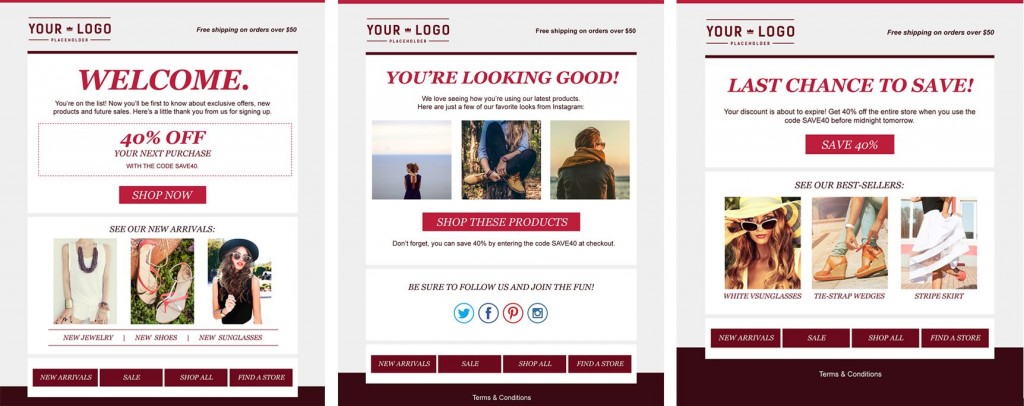
Instead, try a 'welcome journey'. It's a series of emails all connected and focused on making a sale.


How To Turn An Email Subscriber Into A Loyal, Paying Customer - Duct Tape Marketing

photo credit My Emma


One of my clients uses a series of eight emails to tell a connected story from start to finish. During each email, there's a call-to-action to encourage new subscribers to take the next engagement step.


The first welcome email offers access to a free report and begins the story. The second email reminds them about the report and uses a case study to show its importance. The third introduces subscribers to a low-priced product and continues the story.


It keeps your open rate high, establishes your brand, and gives subscribers multiple entry points to engage and buy.


You can use your email client to automate this welcome series. The first email, for example, is dispatched immediately upon subscription. The second follows two days later, the third after a week etc.


5. Offer your subscribers a discount or exclusive offer


Subscribers on your list should feel like they're getting exclusive treatment. There has to be some form of reward or bonus to signing up.


One way to create this feeling is through exclusive offers and discounts. This is also one of the easiest ways to convince subscribers to buy something. Again, that first conversion is the most important, so offer it early.


You can use additional tricks here, such as setting a time limit on the offer to compel subscribers to take action. You could call it a 'one-time introductory offer'. Again, use your welcome series to remind subscribers about the discount along the way.


6. Use tiered pricing and entry-level products


By now, we've established the importance of the quick first sale. It's the entry gate to future sales and long-term custom.


But, naturally, new subscribers aren't going to jump in at the deep-end and purchase your $1,000 tuition series. However, they might buy a $10 report or webinar. They're not going to buy a $1500 camera, but they might test the waters with a $20 accessory.


If you analyse your biggest competitors, you'll probably notice they have a tiered system. See if they're using low-priced entry products to lure customers in.


Prove your worth, then offer an affordable entry product to secure that first real sale. From there, you can build up to the premium products.


7. Reduce the risk!


New subscribers are still figuring out if they can trust you. Their natural instinct is still a little wary, and they'll find any little reason not to buy from you.


It's your job to break down those natural barriers and remove any sense of anxiety. Include testimonials and social proof in your newsletters to show that others trust your service and products.


Offer free delivery to quell any worries about prices. Create a link to a 'live chat' or a direct phone number to show that you're open to customer service.


8. Use a call to action button in every email


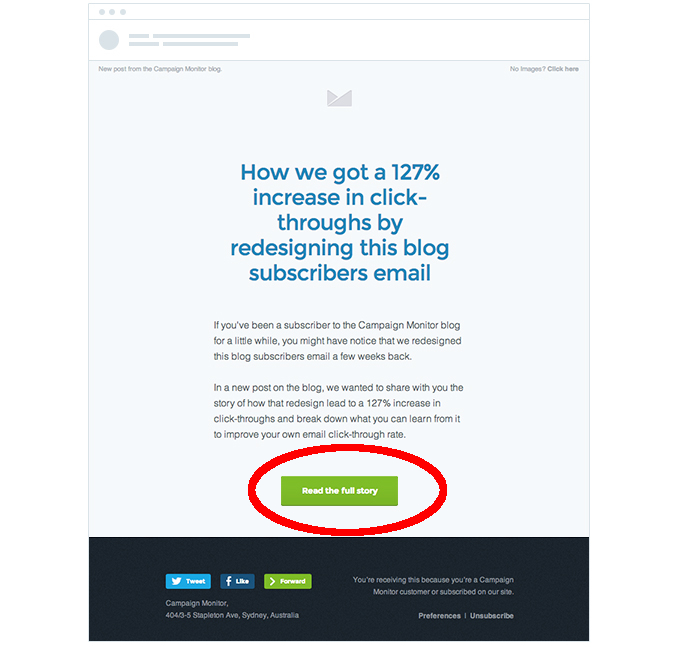
Campaign Monitor – one of the leading email marketing platforms – claims that a call-to-action button converts 28% better than a simple link in the text.


How To Turn An Email Subscriber Into A Loyal, Paying Customer - Duct Tape Marketing

photo credit Campaign Monitor


Most people scan an email, so they'll probably glance over a text link. However, they can't miss a big green button. In fact, they'll feel drawn to it. Don't be afraid to be bold. Direct your subscribers where to go next.


9. Remind customers about their empty shopping carts


It's often difficult to differentiate between casual subscribers and those with an intent to buy.


However, if you subscriber has gone to the trouble of adding items to their cart, they're a buyer. All you have to do is give them a nudge.


Remind them about the items in their cart and direct them to the checkout.


Building an email list is a core part of any good marketing strategy. However, signing up is just the start! Turning them into a paying customer is the real challenge.


What tricks do you use to convert your email subscribers? Let me know in the comment section!


Daren LowDaren Low is the founder of Bitcatcha and co-developer of the free Server Speed Checker. With a decade of experience in website development and internet marketing to his name, Daren is considered a premier authority on all things related to building and managing an online presence.  Feel free to pick his brain by connecting via Twitter


Marketing Day: Periscope gets monetized, Facebook mobile ad news & more

Here's our recap of what happened in online marketing today, as reported on Marketing Land and other places across the web.


Please visit Marketing Land for the full article.


People Pay, Not Pageviews. Here's Why People Are Leaving Your Website Without Converting

You've rolled out a lot of marketing tactics to boost traffic for your website. After copious amounts of content production, sharing, social engagement, and even paid ads, you feel like you can finally celebrate because your site is now pulling in tens of thousands of unique visits every month with a ton of page views.


However, if your conversions are bottoming out and growth is sluggish, then don't celebrate just yet.


I hear about this problem on a regular basis. Unfortunately, pageviews don't pay the bills. Purchases do.


If you're struggling and want to improve your conversion rates, you should look beyond the traditional CRO recommendations and A/B testing recommendations for bottlenecks.


Here are some reasons why your visitors might be bailing on you:


Your Design is Turning Them Away


According to data from SmartInsights, more than 80% of people use smartphones as their primary method for accessing the web. You'll see similar rates of mobile usage if you review visitor device information on your analytics platform.


It's important to be aware of this trend, since 30% of mobile users admit to abandoning a transaction if the website isn't fully optimized for mobile browsing.


Personally, I find it incredibly frustrating to visit a site on my phone, only to be greeted by a site that requires me to zoom in and scroll horizontally. It goes from bad to worse when a pop-up designed for desktop users suddenly fills my mobile screen and I'm unable to close it. That site is basically dead to me on mobile and I'll never try to go back after that bad experience.


mobile-design-responsive
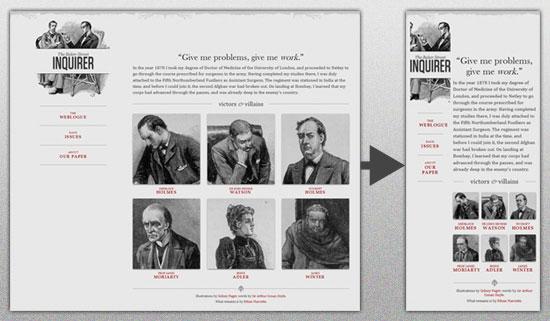
Responsive and mobile-compatible designs fit content to a mobile display, greatly reduce the need to zoom. Image Source


Google understands that frustration, and they have updated their algorithm to make mobile compatibility a ranking factor. If your site isn't currently using a responsive, mobile-compatible design then it's time to fix it. Otherwise you'll miss out on conversions and risk a significant drop in organic search rank (and subsequent organic traffic).


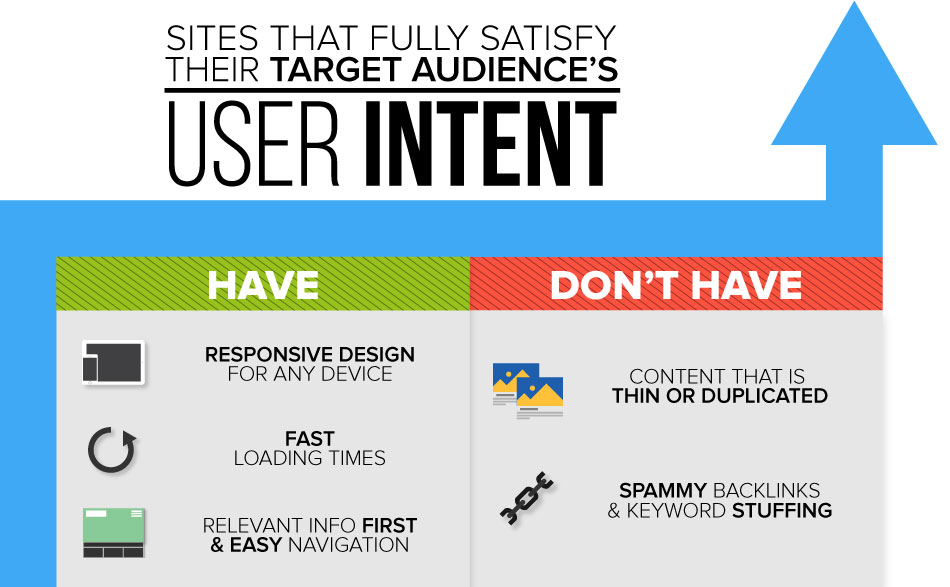
Mobile usability aside, there are other on-page elements that can repel your visitors like:


  • Multiple calls to action that prevent them from taking action (analysis paralysis)

  • Poor navigation

  • Sliders and rotators

  • Too many steps in navigation to reach content/products

  • Confusing or cluttered content


Rather than guess at what makes a good user experience, you can quickly identify and work to eliminate a lot of usability issues by working with UserTesting.com. You can submit your site to be reviewed by real people and watch videos of how the interact with and react to your site.


Autoplay Videos Hijack the User Experience


Don't you just love the autoplay feature on ESPN and CNN.com? You land on a page to read an article, a video loads (with an ad) and you scramble to hit the pause or mute button so you can read the article. Or you just hit the back button to read the story on a different site with a better user experience.


With that being said..


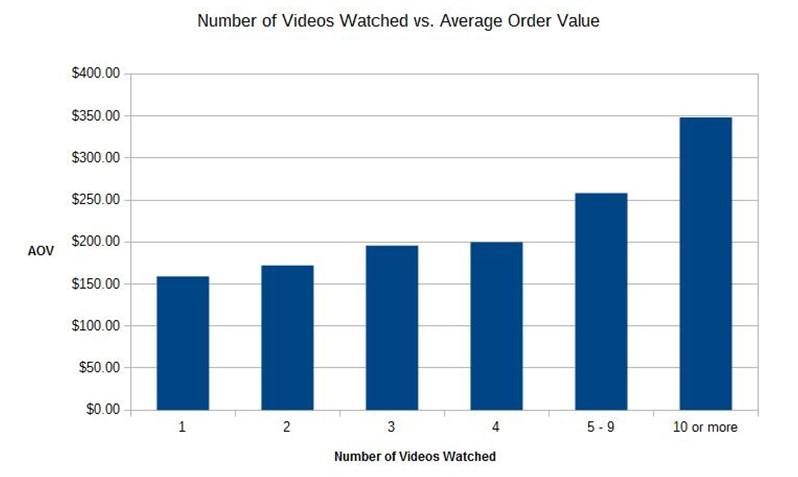
Implementing video on your website could work wonders for conversions. According to a Liveclicker survey among major retail brands, the more videos a visitor watches, the more likely they are to spend within your funnel.


videos-watched-average-order-value


According to a survey of major online retailers, the use of video on product pages lifted conversions an average of 9%.


But setting videos to autoplay could potentially harm your conversions. It's potentially a major disruption. According to W3C (the group responsible for setting standards for web design best practices), autoplaying audio can interrupt the navigation process as a user has to search for the source of the audio to shut it down.


Certain groups of people, especially those with attention disorders, can be easily distracted by motion which can disrupt the user experience and make it difficult for them to focus.


Worst case scenario, the visitor has a negative reaction to the disruption and closes the page.


Instead of autoplaying the video, create a call-to-action that draws visitors' attention to it and persuades them to click the play button on their own. Another option is to run the video on silent in the same way Facebook autoplays video in a user's feed.


Your Value Proposition is Unclear


If you're not clearly communicating the value and benefits of your offer, then your visitors won't feel compelled to click or make a purchase.


Why should they, if they have no idea what they'll get out of the exchange?


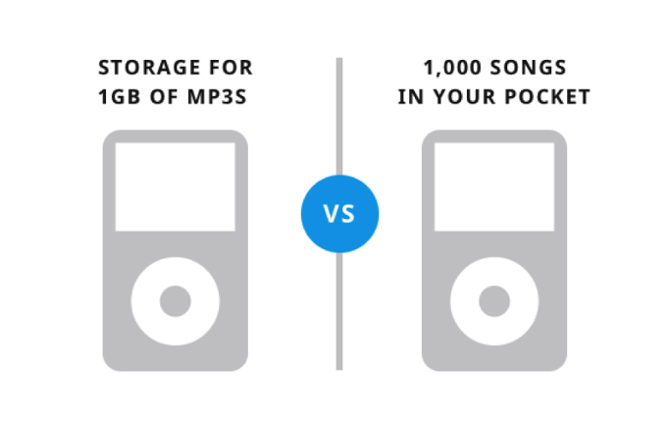
Here's a great example from Help Scout where they reference the launch of the Apple's early iPod product. Not every member of their audience is tech-savvy, so trying to leverage storage capacity (a feature) would be meaningless to many people.


ipod-marketing-messaging


Instead, they communicated the real value and benefit of the product: 1,000 songs in your pocket.


Make sure your value proposition is crystal clear on your landing pages. Test different variations to see which phrasing gives you the best conversion lift.


Content Doesn't Match Audience Intent


The first conversion opportunity isn't on your website, it's wherever your visitor came from. In most cases, this will be organic search or an ad elsewhere on the web. The headline and description make a specific promise to the reader and set their expectations.


If they arrive on your website and find something completely different, such as copy or offers that don't match their intent, they're more likely to click the back button.


For example, if you're targeting enterprise businesses and your audience is mostly CMOs and upper-level marketers, they're not likely to opt-in if you're only offering a free e-book on local marketing strategies.


reduced-form-fields-test
Image Source


Make sure the copy, design elements, offers, and calls-to-action all line up with user intent to lift conversions on your landing pages. This is where audience research pays off.


Understanding the specific needs and pain points of audience segments will help you create more targeted offers to keep your visitors engaged.


Site Load Time is Terrible


Kissmetrics produced an infographic that shows us just how load time can impact your bottom line. Not only is load time a ranking factor for organic search, but it can also have a pretty significant impact on conversions.


As many as 47% of consumers expect a page to load in 2 seconds or less. If they're met with prolonged loading graphics or a hanging white page then you risk losing them – and their patience can be short.


In fact, a delay of just 1 second in load time can result in a 7% reduction in conversions.


Do everything you can to reduce page load time on your website in order to avoid negatively impacting your conversion rates. I recommend:


Opt-Ins Aren't Optimized


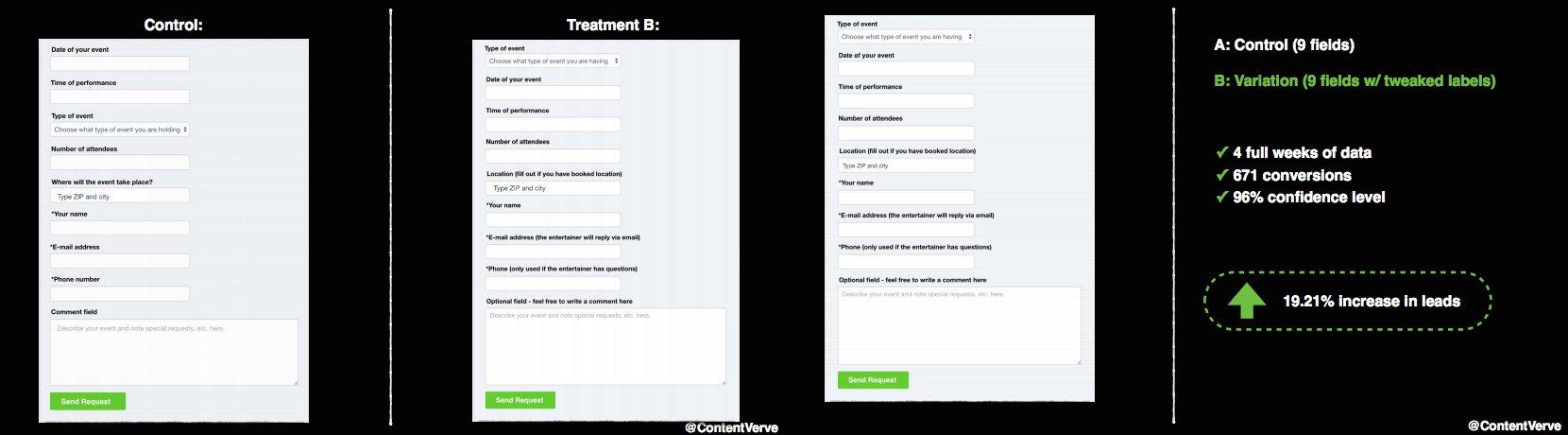
The old trick for improving conversions with opt-in messages was to reduce the number of form fields. This advice was based on a study from 2008 so by now, it's obsolete. In fact, ConversionXL examined another study by Unbounce that compared shortened forms to optimized forms.


The result?


The forms with fewer fields performed worse. Meanwhile, the forms with improved label copy instead of reduced field counts saw a 19.21% lift in conversions.


reduced-form-fields-test


So which method is the best approach?


The answer is “it depends.” There's no concrete answer here. If you're experiencing friction with opt-ins, then your ideal approach is to test variations and see what works best for your audience. Optimize the labels, try different field counts, adjust the call-to-action, and continue testing until you're satisfied with the conversions.


Trouble with the Calls-to-Action


You would think that crafting an amazing offer, telling a great story with visuals, and writing dynamite copy would send your conversions through the roof. It's actually quite the opposite.


Even if your audience is in tune with your offer, your conversions are going to suffer if you don't have a strong, compelling call-to-action. In many cases, customers just won't engage unless you specifically tell them what you want them to do.


storenvy call to action example
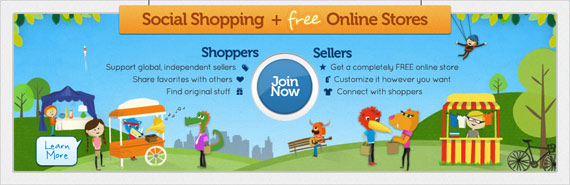
A bold call to action captures attention and tells the audience what to do.


If you're missing a call-to-action altogether, then you're definitely going to suffer from low conversions. One study from Small Business Trends found that 70% of B2B businesses lack a call-to-action on their homepage.


Such a simple thing can have a major impact and at least it's an easy fix:


  • Create a call-to-action that is prominent and stands out from other page elements

  • Make it compelling and focus on the value; what do visitors get by clicking?

  • Make your call-to-action relevant to match the audience's intent

  • Use verbs and actionable language

  • Leverage urgency with words like “Now” and “Today”


Be sure test different versions of your call-to-action to determine which designs and copy offer the greatest lift in conversions.


There's No Secret Formula


There's no one specific thing you can do to suddenly make your conversions soar. While these individual items could hurt your conversions, making a single adjustment isn't guaranteed to change or improve anything.


Rather than taking a tactical approach to improving conversions, identify the elements that could be creating problems and start testing. A/B testing small changes is more likely to help improve conversions over time and eliminate trouble areas like these.


What have you done to increase conversions on your website? Share your approach and results with me in the comments below.


About the Author: Andrew Raso is the co-founder and director of Online Marketing Gurus, a fast-growing, award-winning search company working with brands including HelloMolly, Baku Swimwear, and Forcast. Follow him on Twitter at @andrewraso1 or on LinkedIn.


Machine Learning: Why the Most Effective Marketing Strategy is Invisible

Innovative technology in the retail world doesn't always mean flashy gadgets. In fact, most of the industry's most effective form of digital disruption is invisible.


Machine learning technology continues to further integrate with consumers' daily lives, with new offerings such as Apple's personalized App Store or Amazon price optimization tools. These platforms are seamlessly providing a personalized online experience through algorithms that are invisible to the average user.


Think about how Facebook, Netflix, Amazon and Google make smart inferences and recommendations for the consumer. The technology operates behind the scenes, but is always evolving to understand the customer better over time. Facebook provides an accurate prediction of the content an individual would like to see on his or her timeline, and understands that these preferences change over time. The same goes for Netflix and Amazon. It's an invisible, yet complex understanding of the user or customer.


This is particularly effective because the user or customer is completely unaware of what is going on. There is no burden on customers to do anything more than operate as they normally would. The technology simply learns their preferences over time to offer hyper-personalized content.


Why invisible machine learning works so well in the retail world

Consumers will not inconvenience themselves to interact with a brand. They will not provide information or learn a new process or device. Instead, they want marketers to adapt to their buying processes and routines. So for marketers to become more technologically advanced, they do not necessarily need to invest in high-tech devices. The key is using technology to better understand the customer behind the scenes.


Retail-specific machine learning platforms are powered by several algorithms that automatically learn from both offline and online interactions over time. They analyze years of data for millions of customers with hundreds of data points per customer. This ultimately allows the platform to predict exactly what customer will want to buy down to the price, location and device. And the key is that the customer has no idea this is happening yet they receive highly personalised and relevant content.


In the Facebook example above, the social media site does not ask you to choose whose content you prefer to see or which brand you prefer to interact with most. It knows, based on your interactions over time, the best content for you on any given day. It also knows that someone you interact with now may not be the same person you prefer to interact with two or three years down the road. The retail industry can and should operate in the same fashion.


Marketers have attempted to do this manually using traditional data analysis. However, humans are simply unable to complete this type of analysis to the same degree of accuracy. The best a human can do is rely on segmenting large groups of consumers based on simplistic data points such as a previous purchase, resulting in highly inaccurate and inefficient targeting efforts.


Conversely, machine learning platforms are always on, always learning and always improving based on ever-changing data. Targeting each individual consumer with personalized, relevant discounts through the right channel and at the right time is imperative to gaining market share in an incredibly competitive industry. And even more importantly, this needs to be invisible to the customer.


That all sounds great, but how does it work?

The focus should be less on what looks cool and cutting edge, and more on what is engaging and delivers on the overall business goals. Here's how a marketer can get started with machine learning platforms:


  • Understand the business goal: It's difficult to find the right solution when you have no clear goals. Do you want to drive revenue overall? Or increase sales for a specific product? Determine what you want to accomplish in order to implement the right machine learning approach.

  • Get to the core of the problem: Machine learning solutions are not 'cure alls', they are designed to solve specific problems and do require expertise to maintain. For example, machine learning algorithms can recommend products to a new customer using historical data from other customers, but would not make a good recommendation for hiring a new associate.

  • Choose a partner and/or solution that will allow you to execute on these goals: In marketing, the best results come from hiring the best team for that purpose. 


Despite a world that seems to be overtaken by high-tech gadgets, the best use cases of technology today are invisible. They're the subtle behind-the-scenes machines that truly understand users or customers over time. And in a highly competitive industry, retail marketers must take every possible step to secure new customers and motivate repeat sales. 


Consumers today are utilizing more and more channels on their path to purchase. That's why you need to download the Modern Marketing Essentials Guide to Cross-Channel Marketing and start creating the most cohesive, valuable, and frictionless customer experience possible. 


24 HOUR BED BUG REMOVAL SERVICE NEWARK NJ - CALL (973) 388-9126